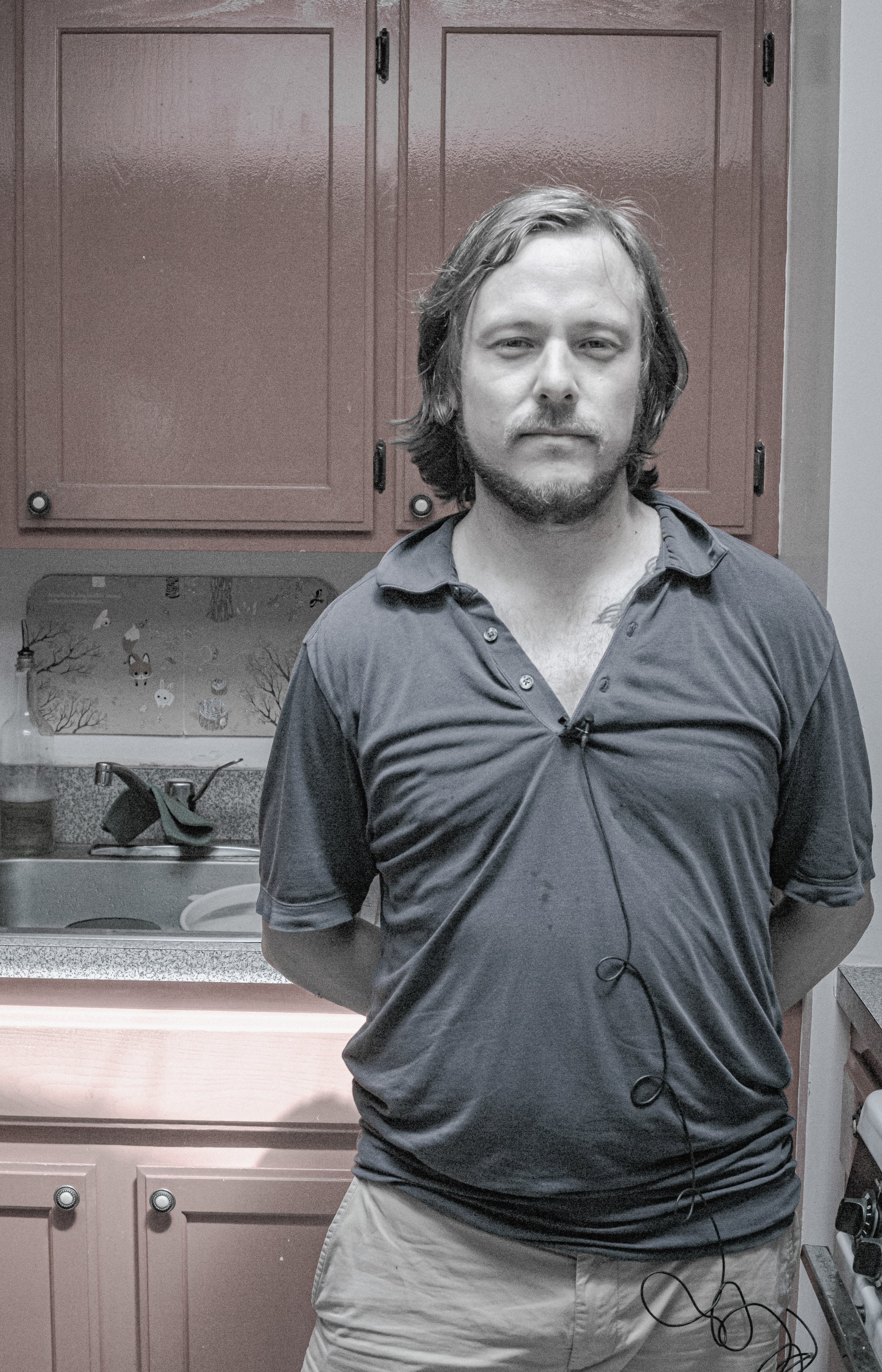
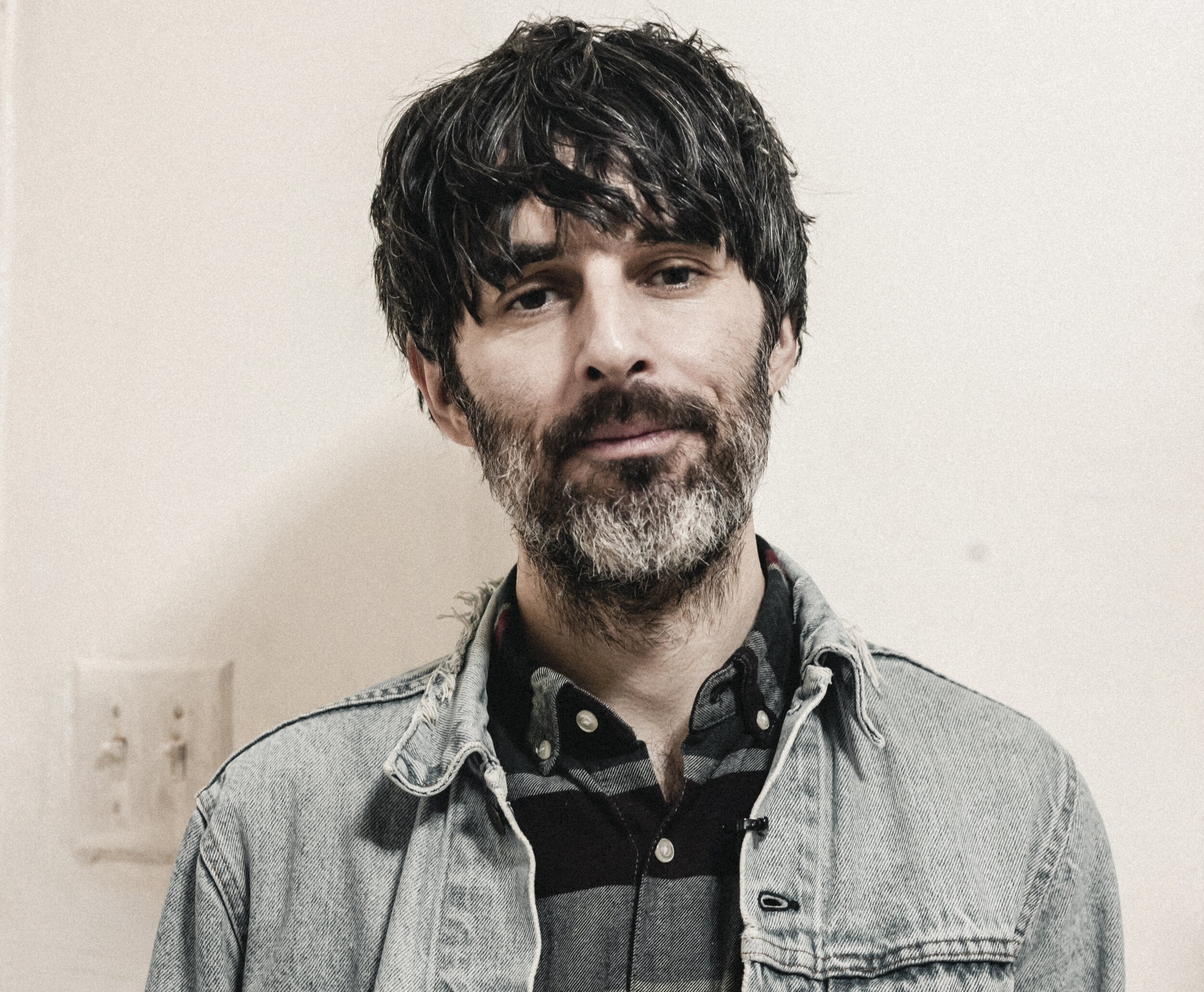
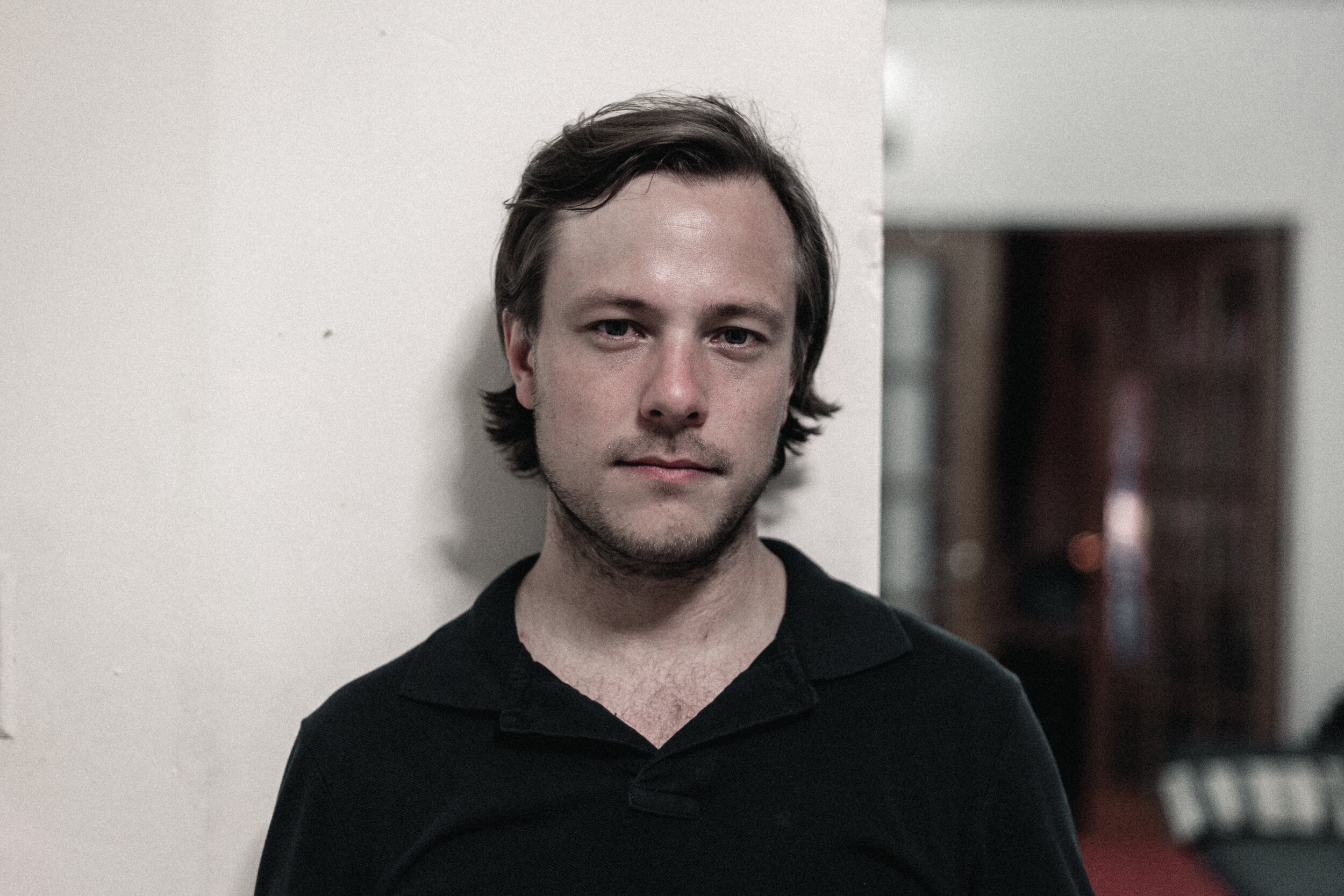
Justin Joseph Hall: Marcellus Hall an Artist in New York City, Fog of War

Episode #42 - Justin Joseph Hall is an award-winning, multilingual multimedia director and founder of Fourwind Films and Quatre-Vents. His work has been acquired by major television networks such as HBO and he’s worked as a lead creative on projects that received awards at The Emmys, TriBeCa Film Festival, Brooklyn Film Festival, and more.

Justin Joseph Hall, photo by Laura Davi

Our screening resumed back at Fourwind Films’ headquarters.

For his short, Justin brought his short series, Marcellus Hall an Artist in New York City. The five episode season has won six awards and been nominated for many more around the world. The documentary is of New Yorker Illustrator Marcellus Hall who also wrote the song Life Is Still Sweet that inspired Float On performed by Modest Mouse.

We screened the entire series back to back and served white and yellow cheese with steak in conjunction with the series.

The feature Justin chose inspired his series with a one-on-one interview that endures the entire documentary. It was Errol Morris’ Oscar winning Fog of War where Robert McNamara goes through thought processes of military decisions during major wars of the United States of America. We served a juicy homemade Vietnamese Beef And Lettuce Curry during the screening.

To learn more about Justin Joseph Hall, sign up for Fourwind Films newsletter.

Credits:

Host - Laura Davi

Production & Event Space - Fourwind Films

Post-Production - Quatre-Vents

Editor - Billie Jo Laitinen

Sound Mixer - Hans Bilger

The theme song of Season 7 is New Tires by Silent Partner.

Ilaria Polsonetti: Dulce, Black South Rising: Inside Charlotte's Mostly Black and Brown Government

Episode #33 - Ilaria Polsonetti is an Emmy nominated Editor of documentary films. She creates smooth edits in her edits and enjoys creativity in her work. She is kind and collaborative in her process which she goes through today in our episode.

Ilaria brought the New York Times OpDoc Dulce. It’s an ideal documentary for Ilaria that has patience, fantastic locations and subjects, and great sound. It’s an example of the documentaries she would always love to work on in a Direct Cinema style slice of life.

The feature Ilaria chose is VICE’s Black South Rising: Inside Charlotte's Mostly Black and Brown Government. Ilaria and her VICE team put together the time after the killing of Keith Lamont Scott by the police in Charlotte, North Carolina documenting the change in the government as more people of color ran for office. It was an emotional screening that shows what it is like when new people take place of old governments.

Learn more about Ilaria Polsonetti and her work on her website. In the forecast to look forward to please check out host Justin Joseph Hall on With Nothing to Say chatting about his entry into film and how he shaped his career.

7641 Faas 033 Ilaria Polsonetti.jpg

Credits for podcast:

Production Company - Fourwind Films

Appointed Contributor - Ilaria Polsonetti

Host - Justin Joseph Hall

Sound Mixer & Additional Music - Brian Trahan

Line Producer - Laura Davi

The theme song of Season 5 is This Monster by Sun Nectar

Jon Alpert: When Life Hands You Lemons, Papa

Episode #21 - This episode features Jon Alpert, Oscar-nominated and Emmy-award winning documentary journalist. Prestigious award ceremonies aside, Alpert has been making films for over forty years and has stories for DAYS. Highlights include the story of how he was chosen as the director for the first Sundance film by Robert Redford, and another dives into how he and his partner Keiko Tsuno managed to get breaking footage in Vietnam during the war. As a co-founder of DCTV he shares how the Chinatown documentary incubator offered film equipment to anyone who wanted to tell stories about the community. Alpert’s career was birthed out of supporting his community, and he continues to prioritize doing so to this day.

The films he curated for the episode are both extremely personal. The short film by Jasmine Barclay is called, “When Life Hands You Lemons.” It tells the story of how she was houseless for all of high school without most people in her life having any idea. For the feature, Jon chooses his most personal documentary, “Papa.” Jon also shares how this film got made by working with documentary legend Sheila Nevins

Jasmine was part of the DCTV program “ProTV.” The free school teaches underprivileged high schoolers how to make film. Link to donate.

5941 Faas - 021 Jon Alpert.JPG

Credits:
Photography - Justin Joseph Hall, Piper Werle, Laura Davi

Host - Justin Joseph Hall

Location - Downtown Community Television Center

Production Assistant - Laura Davi

Production Company - Fourwind Films

Jay Giampietro: the thing that kills me the most!, Private Practices: The Story of a Sex Surrogate

Episode #18 - Jay Giampietro is a director and editor who is a huge fan of films and sports. He is super easy to talk to and it seems always maintains a positive vibe towards anything unique. His unique lens really focuses on New York awkward single males and we think it’s safe to call him a true auteur. He is prolific and makes a short film at least once a year. We’ve shown Hernia at our annual Holiday Mixer several years ago.

This time for the short Jay presented his most recent film the thing that kills me the most! Sticking to odd New York area male characters. It is a very pretty experimental film that uses light in a unique way and takes documentary audio and montages it for new experience in motion picture.

Private Practices: The Story of a Sex Surrogate is a very 1980’s documentary with minimal soundtrack and tons of intrigue. Jay being a student of film history and the odd that is out there in the world chose to bring this film that captures one’s attention watching nervous men have sex with a young sex therapist for money.

Check out more of Jay’s work through is production company Magic Square Films.

Episode hosted by Justin Joseph Hall.

Jay Giampietro - Director/Editor

Jay Giampietro - Director/Editor

Credits:

Host - Justin Joseph Hall

Sound Mix & Additional Music - Brian Trahan

Theme song of Season 4 is Johnny's Tune In Waltz by Salitros’ Ridin’ Rainbow.

Justin Joseph Hall: Wasp, Rock & a Hard Place

Episode #17 - Justin Joseph Hall our owner from Minnesota has been working hard in post-production at DCTV this year. For this episode that was recorded on his birthday he decided to share how vérité documentaries can be made and aspects of using documentary style camera work can be used in narrative filmmaking.

Justin started with Andrea Arnold’s famous short film Wasp. It is entirely shot in handheld form with little or no music. It follows a family in real time evoking well-known vérité cinema techniques brought forth to documentary filmmaking by folks like the Maysles brothers in the 1960’s and beyond. It is a short intense drama about family responsibilities colliding with personal freedoms.

The feature Justin brought forth was Downtown Community Television’s Rock and a Hard Place that they made for HBO Documentaries in conjunction with Dwayne ‘The Rock’ Johnson. The film is a vérité documentary by the legendary modern vérité directors Jon Alpert and Matthew O’Neill and was the first documentary Justin Joseph Hall had worked on with DCTV. He began as an assistant editor and many of the montages in the film for editor David Meneses.

To learn more about Justin’s work in conjunction with DCTV, please check out FRONTLINE: Life on Parole and the new series Axios on HBO.

Episode hosted by Daria Huxley.

Justin Joseph Hall - Assistant Editor

Justin Joseph Hall - Assistant Editor

Host - Daria Huxley

Sound Mix & Additional Music - Brian Trahan

Theme song of Season 4 is Johnny's Tune In Waltz by Salitros’ Ridin’ Rainbow.

Mack Williams: Freddie Gibbs - "Michael Jackson's Return to Gary, IN," What About Bob?

Episode #12 -  Georgia native Director and Animator Mack Williams makes everyone laugh for hours with his stories and film choices as the appointed contributor. Mack is a graceful director and animator who makes working feel like play. His versatility in the commercial world as well as on creative content is always a notch above the rest. He works on a creative level with a fine knowledge for quality post-production on lower budgets. On top of that, Mack makes an incredible drinking partner. 

Our screening took place in Bushwick at Fourwind Films’ headquarters where for the first film, Mack presented a short animated documentary that he directed Michael Jackson’s Return to Gary, IN (2013). It’s based off a true story told by Freddie Gibbs for the Pitchfork series FRAMES. Mack graces us with his knowledge of animation workflow as well as stories of creating various cartoons for Cartoon Network, Pitchfork, and Showtime.

For the feature, Mack presented “What About Bob?” (1991), directed by Frank Oz. Mack discusses Richard Dreyfuss’ role in the film and why he makes it great. During the film, we served fried chicken, corn on the cob, and mashed potatoes for everybody to enjoy.

For more info on Mack, check out the Facebook page for his company Pig Apple.

Additional music credits to Sun Nectar. Theme music by Salitros’ Riding Rainbow.

Credits:

Host - Justin Joseph Hall

Location & Production Company - Fourwind Films

Mack Williams Director/Animator & Simon

Mack Williams Director/Animator & Simon

Transcript:

00;05;00;00 - 00;41;00;00

Justin Joseph Hall:

Hi, my name is Justin Joseph Hall, owner of Fourwind Films. This is Feature & a short, which is a monthly screening hosted by Fourwind Films, where an appointed contributor presents their chosen motion picture and a short movie. There is only one condition for the screening selection. The presenter must have been directly involved with one picture, but not the other.

This week, our presenter is Mack Williams, a director and animator who is currently working on Our Cartoon President. Mack is the most gracious and easy person to work with who always finds a solution and makes your product better than you thought it could be.

00;41;00;00 - 00;44;00;00

Mack Williams:

Yeah. I, I'm, I’m Mack. Hey, I like your shoes.

00;44;00;00

Audience:

(laughter)

00;46;00;00

Audience:

Actually, me too. 

00;47;00;00 - 00;56;00;00

Mack Williams:

It was kind of a weird situation, as like, I went to school to study and studied animation and then I immediately got a job out of college being an animator and then I’ve done that ever since, so.

00;56;00;00

Audience:

(laughter)

00;56;00;00 - 00;01;18;00

Mack Williams:

I'm very weird in that way. I started out, uh I worked for a show on Adult Swim called uh Sealab 2021 and then we worked on a show called Frisky Dingo for Adult Swim. And then I was on the creative team that developed Archer and then I directed the first season of Archer. Archer started in a house that was about twice as big as the apartment we're in right now.

00;01;18;00

Audience:

(laughter)

00;01;19;00 - 00;01;25;00

Mack Williams:

And there was like six of us that made the pilot uh and then I moved to New York and became a freelancer.

00;01;26;00 - 00;01;30;00

Maggie Adelaye:

Since you're background in anima-animation or is it, it just like in production but you ended up in animation?

00;01;31;00 - 00;01;56;00

Mack Williams:

I've done a little bit of, like, live action production here and there. Um, but my background is almost totally like comedy, adult-oriented animation. And then when I moved to New York, I actually ended up doing like tons and tons of motion graphics and things like that, just because that's what the freelance market here is more like. Animation in New York is actually, there's a lot of preschool shows here and there's a few, like, comedy shows, uh, I saw in L.A. mostly and then Atlanta.

00;01;56;00

Audience:

Archer’s…

00;01;57;00 - 00;01;58;00

Mack Williams:

Archer's in Atlanta. Yep.

00;01;58;00 - 00;01;59;00

Audience:

Are you from, from Atlanta or are you?

00;01;59;00 - 00;02;01;00

Mack Williams:

Yeah, I'm from Georgia. I grew up about four hours south-

00;02;01;00 

Audience:

I was born in Atlanta

00;02;02;00

Mack Williams: 

of Atlanta.

00;02;02;00

Maggie Adeleye:

I’m from Still Mountain.

00;02;03;00 - 00;02;04;00

Mack Williams:

Oh, okay. All right.  You should go sign my petition because it's got a lot of signatures, like 50,000 signatures. It's to add Outkast riding in a Cadillac next to the Confederate generals.

00;02;14;00

Audience:

(laughter)

00;02;16;00

Mack Williams:

It's like, I just strive to bring balance to the force.

00;02;20;00 - 00;02;25;00

Mack Williams:

But, but yeah, no. Or, or destroy it; or destroy it. It's fine with me too also.

00;02;25;00

Maggie Adeleye:

Either way.

00;02;26;00

Audience:

Yeah.

00;02;27;00 - 00;02;41;00

Justin Joseph Hall (as narrator):

Mack brought a short film he did a while back for Pitchfork in a series called FRAMES where they interviewed a few artists. The particular picture that he brought was an interview of Freddie Gibbs, and it's entitled “Michael Jackson's Return to Gary, Indiana.”

00;02;41;00 - 00;03;45;00

Mack Williams:

I did a series of uh shorts for Pitchfork, the music website, and uh all of them are, uh, mostly storytelling shorts where a musical artist comes on and tells a brief, very funny story about something that happened to them. And this is just like an animated version of this, and this one is uh the rapper Freddie Gibbs. He's talking about um, he's from Gary, Indiana, which is the hometown of The Jackson 5 and Michael Jackson grew up there. Uh, and so this is a story about a time that Michael Jackson came back to Gary, Indiana, to visit. And this was a huge, huge event in the community. 

The storytelling animated thing, like, that's like a real go-to quick content idea that you can see on, like, tons of websites and so Pitchfork was getting into that. And so when I'm directing shorts like this, I usually have my hand in little bit of all of it, but then I, you know, I try to hire freelancers who are better than me at their given task so that it improves the total product. They always provided me the audio uh

00;03;45;00

Audience:

Okay.

00;03;46;00 - 00;04;59;00

Mack Williams:

first, like there was never a written version. I would just edit it further without telling them usually, I don't, because I would, like, cut it unnoticeably tighter, like, to them, but I was, like, saving me 20 seconds of animation or something. And they just like doing with hip-hop artists better, because they felt like hip-hop artists told better stories and based on the ones they did, I think that's unquestionably true.

Like I did one with Danny Brown that’s really, really funny. And I did one with the GZA, which was more about like the birth of hip-hop in the Bronx.  So that one was really interesting. Actually if you go on YouTube, my username is macklikeatruck, and I have a playlist with all of them but I sent Justin a few of them to pick which one he liked best because they all are kind of special to me.

These are like my very favorite things I've worked on, I think, because I got to do them, not by myself, but like I was coming into my own as a director where I wasn't really supervised by anyone because, um, the guy who produced all these is a guy named R.J. Bentler, who actually isn't with Pitchfork any longer but he was sort of their Head of Video, and he's one of my very favorite people I've ever been fortunate enough to work with. But anyway, they paid for me to go to Sundance and, like, show my short that I made. It was sponsored by Dell, so I had to make it on a Dell computer

00;04;59;00

Audience:

(laughter)

00;05;00;00 - 00;05;10;00

Mack Williams:

and I'm a hardcore Apple guy. Then, I got to show my short that I made and, like, give a brief presentation about how cool it was I made it on a Dell computer.

00;05;11;00

Audience:

(laughter)

00;05;12;00 - 00;05;15;00

Mack Williams:

Um, and then I got to keep the computer. And I gave it, I gave, it to my sister. And so I had a really, really great run with Pitchfork. I don't know if, when I'll get to do those again.

00;05;23;00 - 00;05;26;00

Justin Joseph Hall:

What do you actually, like, when you go into it, do you get the audio for everything?

00;05;26;00 - 00;05;34;00

Mack Williams:

After I listen to it, I would think about what I, what I wanted to do and then when I have a conversation with R.J., the producer, and talk about, like, what he kind of was already thinking about

00;05;34;00

Audience:

Oh, okay.

00;05;34;00 - 00;06;26;00

Mack Williams:

because he had really great ideas also. And so, a lot of times he would kind of steer my direction. But one of the things especially, I did a run of like 3 or 4, and if you look at them visually they're all very different. They look very different. That was intentional because I felt like this was an opportunity for me to really come into my own as a director, and I wanted them to all look different and to be animated in a different way or different style so that I could like- well, two things, one so I could show what I could do, but also so I could play around and see what I like to do. 

I think I sent you one that was Danny Brown, and that one's just like a straight-up parody of Hanna-Barbera cartoons with like, where the characters are all cats and dogs and stuff, and uh it was it, it was like a parody of Top Cat which was a very terrible Hanna-Barbera cartoon that was like a third-rate Snagglepuss-type character. I’m kind of throwing Top Cat shade, but that’s fine.

00;06;27;00

Audience:

(laughter)

00;06;27;00 - 00;07;00;00

Mack Williams:

Um, and then I did one where, with Waka Flocka Flame that was a parody of, like, the old Peanuts animated specials. Um and then like, you saw the Melvins one which was, you know, just black and white, more like. It was, the idea of it was like, it’s written, it was like doodles on your school paper in high school was sort of like my aesthetic idea for that one. And they all, and like the Freddie Gibbs one, it looks different than all those ones I just mentioned. Um and that was, that was intentional and that was very much R.J., he was very, very supportive of, like, me doing things a little different.

00;07;00;00 - 00;07;04;00

Justin Joseph Hall (as narrator):

We watched “Michael Jackson’s Return to Gary, Indiana,” and then we had a quick discussion.

00;07;05;00 - 00;07;17;00

Justin Joseph Hall:

Like, your animation is, is, it's not natural world movements. It's, it's a little cartoony and I always like, like, sort of has a joke and just the, just the movements that they have. What makes you steer away a little bit from realism?

00;07;18;00

Mack Williams:

Oh.

00;07;18;00 - 00;07;20;00

Justin Joseph Hall:

And what makes you go more towards it?

00;07;20;00 - 00;07;28;00

Mack Williams:

I have a very good answer for why I avoid doing more animation like what you're talking about and it’s, and it’s talent. It's that I would be really shitty at it.

00;07;28;00

Audience:

(laughter)

00;07;29;00 - 00;09;02;00

Mack Williams:

Um I mean, I, my, my, everything you guys saw that I did is, is all done in uh After Effects and there's some traditional, like, 2D frame-by-frame animation in there but very little. For the most part, I do what's called limited animation, which means that um I'm trying to do things on a low budget quick turnaround quickly and get the most I can out of like the fewest number of drawings that I have to make. Um, and that's sort of what I started my career doing because Sealab was totally in After Effects, Frisky Dingos totally in After Effects. 

Archer now is, like, four different types of software that they put all together but when we started, it was just After Effects. Um, on Our Cartoon President now that I'm working on directing, we actually have quite a lot of traditional 2D-animated uh stuff, but it's mostly um, uh hand gestures and more brief actions. The reason we are able to use more hand-drawn animation is we have tons and tons of super amazing, talented animators that work with us. 14 now.

If you're talking about like, like Rick and Morty or something like that where they ship the animation overseas to Canada or to Korea or something like that, like, I mean it's, I don't know, dozens and dozens of, of traditional hand-drawn animators. But uh for, for me, in the shows that

I've worked on which are limited to have 14, that's like amazing. You know, 12, you're drawing 12 frames a second or 24 in some cases. Um, our shows, we uh, do at 12. All the Looney Tunes and stuff that you watched as a kid, like those are all 12 frames a second.

00;09;03;00

Audience:

Oh really?

00;09;03;00 - 00;09;07;00

Mack Williams:

Yeah, yeah, yeah. Lots of people do stuff on like, uh, threes or fours. Like we call

00;09;08;00

Audience:

Oh, okay.

00;09;08;00 - 00;09;13;00

Mack Williams:

it on, like, like we say on two, “on twos” means like every 2 frames of 24,

00;09;14;00

Audience:

Yeah.

00;09;14;00 - 00;09;48;00

Mack Williams:

there is some motion. Depending on what you're doing, you do stuff on threes, do stuff on fours, and also that's like if you were doing like a really low budget independent short that you wanted to do it, uh, you know, 8 frames a second or whatever, it's still look really fucking cool if you did it well. It doesn't, animation is very very forgiving in that way. It's absolutely a stylistic choice. Um, the first season of Cartoon President, a lot of it is on 24 frames because we're using this new software that didn't really play well with 12 frames. Um, but now we've, we've kind of got it figured out and all the character stuff is 12 frames.

00;09;48;00 - 00;09;53;00

Maggie Adeleye:

As far as I know that the, the, the Cartoon President they started on, uh, (unintelligible) show.

00;09;53;00

Mack Williams:

Yup.

00;09;54;00

Maggie Adeleye:

But the night one.

00;09;55;00 - 00;10;37;00

Mack Williams:

This new piece of software, Adobe Character Animator came out and they got the idea somehow, hey, let's do an interview with an actual cartoon character because the whole idea behind uh Character Animator is to do, you could do like live streaming animation. You build the puppets and then you sit in from a we- a webcam and animate the puppet that way, and you can make it do certain things, you preset animations. And so they started doing that uh on The Late Show and Colbert was interviewing Cartoon Trump. And then at some point someone uh said, well what if we made this into its own show? And uh Tim was like, no, that's impossible, we can't do that. Uh (laughs) and they were like, too late, we just sold it to Showtime.

00;10;37;00

Audience:

(laughter)

00;10;39;00 - 00;11;29;00

Mack Williams:

And, uh, so then I was brought in with, uh, by Tim with another director, Steve Connor, uh, our director, Karyl Goretzki, and a whole bunch of other people to figure out how to make a half-hour animated show in 11 weeks with this brand new piece of software no one's ever used before. And we were like, you guys have Slack?  Like, you guys like Slack? So we had like, yeah so we’re, we’re, we’re, I'm like in a Slack channel literally chatting with, like, the people who invented Adobe After Effects who also invented this software and telling them, like, what's wrong with their software and what features we need. We would run into issues with the software where we're trying to do something and it just won't do it. And like, we can tell them about these things and they'll be like, okay, well hold on, we just wrote a script that does all of that for you with a push of a button.

00;11;29;00

Audience:

Yeah.

00;11;29;00 - 00;11;42;00

Mack Williams:

Okay, now, okay, there's a bug that does this. Okay, well, give us two days. All right, now the bug is fixed and it doesn't do that anymore. Adobe wants to be associated with hit shows. It's a mutually beneficial relationship for sure.

00;11;43;00 - 00;11;48;00

Justin Joseph Hall:

I guess the other question is like, what do you see as a trope that gets annoying when you see other people do? Because you say that, um.

00;11;48;00 - 00;12;09;00

Mack Williams:

I don't know that there's anything in particular that annoys me. I will say that um, let's say you're animating a series like I'm on now, like Our Cartoon President. Well, the Cartoon President lives in the White House and he works in the Oval Office, and we get to reuse those backgrounds every episode and we reuse all the gestures and the facial expressions

00;12;09;00

Audience:

Yeah.

00;12;10;00 - 00;12;26;00

Mack Williams:

he does every episode. When you're doing a series of these storytelling things, every single bit of it is brand new and used only once every time you do this. And so guess what? It costs more per episode

00;12;26;00

Audience:

Yeah.

00;12;27;00 - 00;12;32;00

Mack Williams:

than like a ten episode animated series about the same characters would cost per episode.

00;12;33;00 - 00;12;43;00

Justin Joseph Hall:

But you also do the, the video editing afterwards, right? Like, like you do the animations and I assume that they're, they have handles on them and then you edit it a little bit?

00;12;43;00 - 00;13;06;00

Mack Williams:

In animation, it's very expensive. If you want to add two-second handles to every single shot, that can add up to a lot of work and time. So you really do your editing in the animatic stage. So you have a storyboard, you cut that storyboard to the audio. In an ideal world, although I've rarely ever worked on a project where it worked out this way, that's where you lock, lock your edit. Um, lock.

00;13;06;00

Audience:

(laughter)

00;13;07;00 - 00;13;15;00

Mack Williams:

Um, I'm making quote fingers for the podcast audience. Certainly there are sometimes more edits made, but usually, like, it's what it is by that point.

00;13;16;00 - 00;13;30;00

Justin Joseph Hall (as narrator):

Mack’s second film that he brought was his favorite film which is What About Bob?, one of the most iconic performances by Bill Murray in his entire career. It is really goofy and they used to play it on television all the time.

00;13;31;00 - 00;13;38;00

Mack Williams:

This is 100%, this is legit not a joke, my very favorite movie. And it's because I've watched it a numerous times on TBS.

00;13;39;00

Audience:

(laughter)

00;13;39;00 - 00;13;47;00

Mack Williams:

as a kid, seriously. Like, me and my friend Joey in um middle school in, like, high school. Like, I don't even know how many times I've watched this movie.

00;13;48;00 - 00;14;17;00

Justin Joseph Hall (as narrator):

Coincidentally, the two films that Mack brought featured the same food which was fried chicken. So while we were showing What About Bob?, we brought out fried chicken, corn on the cob, and mashed potatoes for everybody to enjoy. This was the first time that there was no alcohol served in either of the films shown on Feature & a short, but we had libations around anyway. After the viewing, there was a small discussion on Bill Murray versus Richard Dreyfuss.

00;14;17;00 - 00;14;23;00

Mack Williams:

It's one of the few Bill Murray movies where Bill Murray is not the most funny person in the movie, in my opinion.

00;14;23;00 - 00;14;24;00

Justin Joseph Hall:

You don't think so?

00;14;24;00 - 00;14;27;00

Mack Williams:

Richard Dreyfuss, this was Richard Dreyfuss’ finest performance.

00;14;28;00 - 00;14;30;00

Justin Joseph Hall:

I, uh, just say, tell us what I tell you the other day.

00;14;31;00 - 00;14;32;00

Thomas Kelsey:

Scene was terrible.

00;14;33;00 - 00;14;36;00

Mack Williams:

No, I love it. It's so, he's so over-the-top.

00;14;36;00

Audience:

(laughter)

00;14;37;00 - 00;14;44;00

Mack Williams:

Everything about Richard Dreyfuss in this movie is so ridiculously over-the-top and outrageous and I love it.

00;14;44;00 - 00;14;50;00

Justin Joseph Hall (as narrator):

After, the discussion got pretty lively and called it night.

00;14;50;00

Mack Williams:

Showtime rules.

00;14;51;00

Mack Williams (robotic voice):

but HBO sucks.

00;14;52;00

Audience:

(laughter)

00;14;54;00

Mack Williams (robotic voice):

Showtime rules, but HBO sucks.

00;14;56;00

Audience:

(laughter)

00;14;59;00

Mack Williams (robotic voice):

Showtime forever.

00;15;00;00

Audience:

(laughter)

00;15;01;00

Mack Williams (robotic voice):

Um, that was…

00;15;04;00 - 00;15;33;00

Justin Joseph Hall (as narrator):

Thank you for listening to Feature & a short. We have a great guest for you again next month. If you have any comments and want to write us or figure out how to come to a live taping of this show, just hit us up on social media and that is @fourwindfilms. That is f-o-u-r-w-i-n-d-f-i-l-m-s. We'll speak to you again shortly. Peace.

Gladys Mae Murphy: Prison Terminal: The Last Days of Private Jack Hall, Pumping Iron

Episode #6 - Editor Gladys Mae Murphy was the appointed contributor. Gladys, who was a part of post-production teams on multiple Oscar-nominated documentary shorts, is an incredibly hard-working editor who dives into her projects for months. Much of her work, including Prison Terminal: The Last Days of Private Jack Hall, are featured on HBO's streaming websites. To see the latest by her, check out her website. She is currently working in collaboration on another documentary in conjunction with DCTV and HBO.

Our screening took place in Bushwick at Fourwind Films’ headquarters where Gladys presented two films linked by her mentor, legendary editor Geof Bartz. For the first film, Gladys presented the 2013 documentary short Prison Terminal: The Last Days of Private Jack Hall, directed by Edgar Barens. Prison Terminal was made by a small film team Gladys was a part of and was nominated for an Academy Award. In the episode, Gladys takes us through the director's toils of creating this film about how to handle death in prison. 

For the second film, Gladys presented the 1977 feature-length documentary Pumping Iron, directed by George Butler and Robert Fiore. Pumping Iron is a look into the unique world of bodybuilding and is a fun film centered around a young Arnold Schwarzenegger in his bodybuilding prime. During this film, we brought out some greens along with some Brooklyn-breaded chicken and some hotel-fried eggs and toast.

Credits:

Host - Justin Joseph Hall.

Location & Production Company - Fourwind Films

Gladys Mae Murphy - Editor, photo by Daria Huxley

Gladys Mae Murphy - Editor, photo by Daria Huxley

Transcript:

00;00;00;11 - 00;00;21;05

Justin Joseph Hall:

Welcome to Feature & a short. Feature & a short is a monthly screening hosted by Fourwind Films, where an appointed contributor presents their chosen feature motion picture and short movie. The only condition for screening selection, presenter must have been directly involved with one picture, but not the other. I'm Justin Joseph Hall.

Gladys Mae Murphy is our guest and she works on HBO projects all the time. All of which are amazing. She was co-editor on the Oscar-winning Crisis Hotline, which won the Academy Award for Documentary Short several years ago. The movie that we watched was another Oscar-nominated film that she worked on with Geof Bartz called Prison Terminal: The Last Days of Private Jack Hall.

00;00;45;08 - 00;01;12;02

Gladys Mae Murphy:

So Prison Terminal is a film that was shot over the course of six months by a director who wanted to experience what hospice was like in prisons where people are serving life sentences. Edgar Barens was the director. He got his certificate to be able to, you know, practice as a caretaker. He worked with the prisoners for a week just to get them used to his presence and then he brought out the camera and just followed everything for six months. 

He lived in the basement across the street. He had a very depressing time. And this movie is very, very depressing and, yeah. But it's, it's about a hospice, so I'm sorry if it, yeah, we all know what the ending is going to be.

00;01;29;28 - 00;01;40;27

Justin Joseph Hall:

So after the film, we had a short discussion and Gladys had a ton of insight, not only on her process, but also the effort that the director put into creating this film.

00;01;40;28 - 00;01;46;05

Justin Joseph Hall:

For those of you who don't know Geof Bartz, he’s a very famous documentary editor.

00;01;46;12 - 00;02;11;11

Gladys Mae Murphy:

20 years at HBO as a supervising editor. And so, when there's a film that it comes into HBO that's already been cut and needs a little help, they give it to Geof. Maybe almost a decade ago, I was hired to be his assistant, and after a year of hardcore assistant work, I escaped to the country Colombia and said I wasn't coming back for six months.

And he called me. He was like, I need you back. And I was like, I'm not coming back. And I said, I want to cut soon and he gave me a scene to cut in a different movie that was hard. It was about how they kill dogs in shelters. It was that scene, and I was so excited that I was even allowed to cut for anything for HBO and so I did it, and he kept me on and one of our next projects was this Prison Terminal. 

And we cut it over the winter. We both gained so much weight because it was just so depressing. And we both don't smoke cigarettes so our outlet was like, oh, let's go to the vending machine and we did that maybe like five times a day just watching the dailies. And there was one, it was shot on tape, many DVD’s, and we would watch just one tape a day, and it was a countdown to Christmas. And he said, oh, this is a tape where Jack Hall dies. Let's not start the Christmas season with this. I was like, great idea. And then so, like, I don't know, 2013, 2014 rolls in and the first tape we pop in is to watch Jack Hall die.

And, it wasn't that hard to cut. It was just hard to watch. And it's still hard to watch. I haven't seen it in years and it still brings back feelings. So, Geof Bartz cut the next film, Pumping Iron, about bodybuilding and helped Arnold Schwarzeneggerbecome a household name. And I watched that film when I was 18 in California and not knowing I was ever going to meet anyone from Pumping Iron and when I walked into Geof Bartz’s office, he had a poster Pumping Iron. I'm like, oh, that's cool. He said, yeah. And I didn't, I did not look at his entire history.

Audience:

Yeah.

(laughter)

Gladys Mae Murphy:

He has like 100 films and he's like, this is the film I cut. I said, what?

00;04;15;15 - 00;04;16;13

Justin Joseph Hall:

But you’ve already seen it?

00;04;16;20 - 00;04;44;28

Gladys Mae Murphy:

I've seen it when I was 18 and, like, a decade later, I meet Geof and he, he said. After that, like, after that film came out, there was so much buzz. He was so excited. He was a freelancer. He's like, oh, I'm now, I'm going to get the job offers. He got nothing for seven months. And his first job editing after seven months of unemployment was editing an industrial film on how to grow green beans. And he said he was so excited and… this is his inspiration. I was like, wow, you did Pumping Iron and no one hired you after that?

00;04;55;05 - 00;05;15;22

Justin Joseph Hall:

Yeah, yeah, it’s, it's cool. It, the other thing I was wondering is, like, when you got the footage, when you worked with Geof, especially on this film, there's like some of the least amount of credits I’ve seen in the film on that. It's pretty crazy. So what did Geof, if you, that you're putting this with him? Or how, what was your working relationship and how did you deal with the footage when you first got it? 

00;05;20;29 - 00;05;46;18

Gladys Mae Murphy:

When we first got the footage, it was over 300 hours and we knew it was a short and we said, we doubt everything that isn't related to Jack Hall, because he did shoot other people in the hospice who weren't as dynamic as Jack. And, he gave us maybe 80 hours of tapes to go through. And what Geof likes to do is to have everyone sit in a room and watch all 80 hours.

Audience:

Everyone...

Gladys Mae Murphy:

Me, the director and Geof, and the director was the only crew member. He was sound, and, and, I don't know if you noticed, but it has this weird tint on it because he never set his white balance. And at one point, we were like, oh no, we need to make this film black and white because the color is so bad.

But everything's just desaturated on purpose because of his color balance, which, but he, yeah, it was just a one man band. Like, I was a third credit. I'm like, great.

Audience:

(laughter)

Gladys Mae Murphy:

There's parts of Jack's story that's not, that doesn't line up with what he says, but I think he's just that old, and he's been telling himself the same story over and over that he believes it. Those guys who, who take care of Jack in the hospice, the reason why they're allowed to be volunteers is because they're in good standing. You know, their bars are usually open and they do a lot of crocheting and they make wallets and stuff, but they did some really bad, bad, bad things. But these guys were maybe, like, 20 when they did it and now they're 60. So they've been in prison for a while. I don't think they're ever going to leave that prison. 

Audience:

Who did Jack murder? 

Gladys Mae Murphy:

He, his son was addicted to drugs and ended up killing himself. And so Jack said he murdered the drug dealer and he, so he could no longer do it again. And he got caught because he told his older son that we meet, and his son turned him in. That's how he got caught. 

And our director, by the end of the six months he had gained, I don't, I don't, I don't want to say how many pounds, but all he was eating was like pizza and prisoner food. And he's like, I was just waiting for the right person. And he left after Jack left. He said, this is, this one's it. 

He shot that in 2006 and we didn't cut it until 2013, meaning no one would buy it. No one bought the film and someone at HBO saw it during one of those speed dating pitches. We're like, you have like three minutes to explain it to an exec at a network. And how many years later it was bought, turned into 40 minutes.

00;08;10;08 - 00;08;13;09

Audience:

I was just glad, glad, that, Where did the show actually go on? Was it…

Gladys Mae Murphy:

When HBO tries to get something shortlisted for an Academy Award, it has to be theatrical for a certain amount of time. Has to be reviewed by certain newspapers in order to qualify for the running. And, so it was theatrical for I think four weeks or two weeks, whatever the minimum is. But in, like, small, obscure, cheap theaters.

00;08;37;12 - 00;08;38;24

Audience:

Yeah.

00;08;38;26 - 00;08;59;13

Gladys Mae Murphy:

And it's 40 minutes. It's not a good, it's not like a Saturday movie you're going to want to take the family to, you know. It was hard to make a film about something that doesn't really benefit like us people who are free and these people are in prison. And so why would everyone else care about how they treat their, their dying and the sick. And I think that was the biggest challenge. 

Audience:

Do you know what the process was like for him in terms of getting access?

Gladys Mae Murphy:

He did a film about Angola?  Or he helped set up a hospice at that prison. And it was more like a how to do this. And it was spread amongst the other prisons. And he wrote a letter to Iowa and said, hey, you know, I did this film and I'd like to film the hospice that you guys have.

And they said, that's funny. We based it off of your film. And so he got in and he, he studied to become a hospice volunteer. So he was able to help out for a week and gain everyone's trust. So no one was ever, like, staring at the camera awkwardly. They were just comfortable around him. And these guys are, you know, they're pretty much the honor roll of all the prisoners and all dudes who have been best friends for decades.

He had a lot of, like, great bites. He was a sound bite machine. The first thing I ever saw was that intro where he's talking about, when you just first meet Jack and it's just his big face and he's talking to camera, and I heard, that's when I knew I was like, this is going to be a good film.

00;10;14;16 - 00;10;21;21

Audience:

So interesting what you said about the correction because that bleakness made it. 

Gladys Mae Murphy:

Yeah.

Audience:

You know, it really just enhanced the…

Gladys Mae Murphy:

That mood and, yeah. 

Audience:

Yeah, yeah. So interesting those mistakes that actually end up being the…

Gladys Mae Murphy:

And in some of those shots were like, honestly, they were green or orange. And we were, like, Edgar. He said, oh, I had it on automatic. But actually he's one of the best verité shooters I've ever edited with. He, he's so patient. I mean, to live somewhere for six months and just capture all those hours.

And he has, he's so patient. He just observes and watches. He's not really, like, asking anyone. You know, he walked through the door again or he's, he, I wouldn't be able to know where to move the camera after but he always knew that once he moved the camera to you guys and one of you would start talking and it was just, he was really patient.

00;11;13;20 - 00;11;35;20

Tom:

I said the pattern looks kind of a bit like he's not doin’ the white balance. Almost kind of adds to it because it gives it that, like, sickly, kind of otherworldly vibe, which is kind of what the patients, They give it a shot will be if we're not to, you know, $5 million Netflix staff and kind of lose somethin’, honest.

00;11;35;22 - 00;11;38;26

Gladys Mae Murphy:

Whenever the countdown happens with hospice, day one, I'm like.

Audience:

(laughter)

00;11;40;11 - 00;12;07;17

Gladys Mae Murphy:

Because I already know how many days.

Audience:

(laughter)

Gladys Mae Murphy:

But it used to be worse, like our first screening when we presented it to Sheila Nevins and we cut back to the clock ticking. She's like all right, all right. Like we know he's going to die. Hurry it up. Because it was just so depressing. I had a screening with my friends and they're like, I don't want to party anymore, Gladys. Like, I don’t want to do (laughs).

Audience:

(laughter)

Gladys Mae Murphy:

The cuffs when he was going into the ambulance.

00;12;13;24 - 00;12;18;26

Justin Joseph Hall:

Like, you got to be kidding me. That's just what it feels like. Every time that you see that.

00;12;18;29 - 00;12;21;17

Daria:

That's probably protocol. It’s.

Audience:

Yeah.

Audience:

You have to do it.

00;12;21;17 - 00;12;27;29

Justin Joseph Hall:

It is. It's just like sad. You know, that guy can't walk, he can't run away. He’s not going to do anything. It’s just stupid.

00;12;28;06 - 00;12;41;29

Gladys Mae Murphy:

I, I cut that scene. 

Audience:

(laughter)

Audience:

Oh yeah. His son said…

Gladys Mae Murphy:

Yeah, your eight wives are waiting for you. But he was a very interesting, charismatic character and.

00;12;42;01 - 00;12;50;19

Tom:

I was interested in five weeks, comforted by the thought, one punch of the Second World War and by basic math, it must be about time.

Gladys Mae Murphy:

It was filmed 2006.

Audience:

Yeah 2006…

Justin Joseph Hall:

I just watched War Torn.  The same thing with it. He mentioned here, it’s mentioned in that one where they come back and they teach you how to kill every day, and if they don't teach you how to turn it off afterwards, it's like the same thing.

00;13;05;17 - 00;13;28;27

Gladys Mae Murphy:

Oh yeah, Jack Hall, when he was in Italy, I think or, it was his job to kill at least one person a day. So he had killed, I can't even tell you how many people he killed, but like with a knife, guns. And so, how do you come back to, Iowa? People anger you. He was just set up for… 

Justin Joseph Hall:

Next, we ended up watching one of the most fun documentaries. A lighthearted, great time that is always a talking point after people have seen it. And it's entitled Pumping Iron. Pumping Iron was made in the 70s, and it is about bodybuilders with the one and only Arnold Schwarzenegger in his last run before he headed to Hollywood and became everything on the silver screen.

Schwarzenegger is not the only star in the film. There's also Lou Ferrigno, who ended up playing the Hulk in the 80s. It is incredibly enjoyable. You see a lot into Arthur's world and this unique world of bodybuilding with, like, an eclectic set of characters, including a character from Brooklyn. For eating, during this film, we brought out some greens along with some Brooklyn-breaded chicken, and soon after that we brought out the best that we could match, some hotel-fried eggs and toast.

00;14;23;12 - 00;14;43;13

Gladys Mae Murphy:

So when Arnold was running for governor.

(laughs)

Audience:

The whole time…

Gladys Mae Murphy:

I had to balance Prison Terminal with something.

…the closeup of her face (laughs)

Gladys Mae Murphy:

Like taking photos with one, oh!  Yes.  Yes.

Tom:

Oiling themselves up and thrusting their pecs.  

Audience:

And Grunting.

Tom:

Yeah! (chuckles)

00;14;49;06 - 00;15;11;13

Justin Joseph Hall:

We're taking a break next week. We're shooting our short film, Prologue. We're finishing up another short film by Ricky Rosario entitled Abuela’s Luck which is in color and sound right now. And we're going to have two short films for you from Fourwind Films in the near future.

So, check those out. Check our website, check our social media. If you have questions or comments about the show, please send an email to info@fourwindfilms.com. That's info at f-o-u-r-w-i-n-d-f-i-l-m-s. Thank you for listening. Talk to you soon.

Michael Fequiere: Kojo, Dear Zachary: A Letter to a Son About His Father

Episode #4 - Brooklyn based Filmmaker and Photographer Michael Fequiere was the appointed contributor. Michael's short films have screened in numerous festivals both domestic (Lower East Side Film Festival, Big Apple Film Festival) and worldwide. To learn more about his work, visit his website and check out his Vimeo page.

Our screening took place in Bushwick at Fourwind Films’ headquarters where for the first film, Michael presented Kojo (2017), a short documentary he directed about the gifted 12-year-old jazz drummer Kojo Odu Roney. Michael has traveled to many countries with this film including the Toronto International Film Festival.

For the second film of the event, Michael presented the 2008 documentary Dear Zachary: A Letter to a Son About His Father by filmmaker Kurt Kuenne. During this film, we didn’t provide any food due to the intense nature of the film. Because it takes place in Canada and the United States, we had homemade shortbread cookies and provided American whiskey and Canadian beer.

Credits:

Host - Justin Joseph Hall

Location & Production Company - Fourwind Films

Michael Fequiere - Director/Editor, photo by Daria Huxley

Michael Fequiere - Director/Editor, photo by Daria Huxley

Transcript:

Justin Joseph Hall:

Hi, welcome to Feature & a short, a monthly screening hosted by Fourwind Films, where an appointed contributor presents their chosen feature motion picture and a short movie. There's only one condition for the screening selection. The presenter must have directly been involved with one picture, but not the other. My name is Justin Joseph Hall, owner of Fourwind Films.

This week's guest is Michael Fequiere. He brought along two great films, one he made in 2017 called Kojo, about a young kid from New York City who plays jazz drums. He has traveled to many countries with this film, including the Toronto International Film Festival. After the first film, we stopped to discuss and the audience had quite a few questions and reactions for Michael.

Michael Fequiere:

This is a short documentary that I did. It's basically about a 12-year-old jazz prodigy. I've known him for like nine years, and we just had a really good opportunity to film this. So this is an interview with him and then kind of following him through his day and his performance and stuff, so.

Audience:

I work with Justin at Fourwind Films. I actually had the good fortune of seeing this prior, at the Landmark Sunshine. I just wanted to commend you cause even the second time showing it was just as good. So, bravo.

Michael Fequiere:

Thanks, man. 

Audience:

Yeah, I'm Adam, and I don't know much about film, but I appreciate them. I was wondering, like, how you met that kid.

Michael Fequiere:

I met him, like, about nine years ago. So his older sister and I went to college together, and so we were cool. And so she kind of invited me over to her place. And so I met her entire family, so.

His whole family is talented, like, his mom is like a well-known contemporary dancer, like his sisters in ballet. They did like a cover spread with, like, Misty Copeland. You know, kinda sucks, you know? It’s kind of, like, damn, like, what am I doing? You know, just a cool family to kind of hang around and just kind of pick their brains.

And then nine years later, that happens. So, yeah.

Audience:

Nice.

Michael Fequiere:

Yeah. 

Audience:

When did you film this? 

Michael Fequiere:

We filmed that 2016 June. So yeah, he turned, he’s 13 now. 

Daria Huxley:

Yeah, where is he now?

Michael Fequiere:

Well, he’s actually on tour, so this is gonna screen at BAM. He was supposed to come there and perform, but he's like touring. So, you know, he's a musician. So that comes first.

So he's like, I'm going to do touring because that's going to pay me. So I was like, shit, all right, fine.

Isabel Restrepo:

At the end, I wish there would have been like a little graphic of, like, how long he actually ended up performing. Cause he’s like, I feel like we could do 20 minutes.

Michael Fequiere: 

Oh yeah, they definitely go for 20 minutes.

Isabel Restrepo:

And then I wanted like 20 minutes later.

Audience:

(laughs)

Audience:

I was hoping.  Wait, but yeah, it was. And he has a great style too. I'm like, how are you so hip and, like, cool and.

Michael Fequiere:

Confident.

Audience: 

Yeah, yeah.

Audience:

…It’s cool that, like, you highlighted this kid because I'm trying to think is rare. But at the same time it's not like it's out there with these people, let's just have these interesting ass lives. But normally you get to hear about it. And it's kind of, like, what am I doing with my life? 

Audience:

You go from, like, a still portrait of the person straight to the interview.

Michael Fequiere:

Right.

Audience:

Did you find that style somewhere else or did you? 

Michael Fequiere:

Yeah, I used an exact similar style on a previous documentary that I made to replace clothes with paint. So with that one, though, in those long takes where it kind of stays on him. That one I got from the 13th, actually, because I remember, yeah, I remember watching it and I was like, the editor did a cool job where it would just like, hang on the faces for a little bit and then cutting to like the next scene or whatever. I was like, oh, that's pretty cool.

Audience:

I don't know what it is about your editing  style.

Michael Fequiere:

Yeah.

Audience:

I don’t know what it is about your editing, but, like, pushes you forward. 

Michael Fequiere:

Yeah, no. And that's kind of like two story lines. It's like one is following him and then, you know, your classic interview style kind of thing. So it's like as he's telling you, like you're also forced into this point.

Justin Joseph Hall:

Like Frontline, he’ll go to the next part or whatever instead of just…

Michael Fequiere:

Exactly, exactly. So yeah.

Daria Huxley:

Especially, I appreciated the graphics.

Michael Fequiere:

Those were my brother.

Daria Huxley:

Those portraits. 

Justin Joseph Hall:

Yeah, Michael’s brother worked on the graphics and.

Michael Fequiere:

We’re twins, so.  We’re not identical but fraternal.

Audience:

I'm also curious, what's, what was it like working with your brother especially, like, assuming he should do those as well?

Michael Fequiere:

Yeah, yeah. So he drew those. It's funny. So he just did them very quickly. So he's done some animation series and stuff like that where it's, like, full on animation and just like all in color and it's like way more vibrant. These were like quick sketches for him. But yeah, I mean, it's one of those things where I just, I just isolated the clips and I was like, oh, these would work as animations.

So I just, like, hit him up. I was like, dude, can you just animate these? And he's like, okay. I don't tell him the direction cause Kojo is telling the story. And so he would just animate.

Audience:

But I know a lot of animators don't like to have free rein. They’re like.

Michael Fequiere:

Yeah, I think it's just because those segments I'm giving him have a start and end point. He knows it has to end at some point, whereas if he's just doing something open-ended, it's kind of like he has no direction and he doesn't have anyone telling him that there's a deadline. You know what I mean? So when there's no deadline, it's kind of hard for him to.

I paid him, but I mean, it was super cheap. So we did the Indiegogo, so there was a couple of funds left over. So I was like, at least let me pay the people who are working on the film. So yeah. But to answer your question, I've been, I went to school for film, so I'd been making them since like 2009.

Yeah, yeah. I work, so I work for Great Big Story. So I'm a producer for them. So basically we just travel around the world, just like producing all these short form documentaries that go on their social platforms. We had a big shoot coming up. And so we rented all this equipment, and so we rented it two weeks early cause, you know, when you rent from Adorama, they give you like the special deals or whatever.

So we had an extra whole week of the cameras just sitting there. We rented a bunch of reds and everything. And I was just, like, wait a second. So these are just gonna sit here in this office over the weekend not being used. So I was just like, oh, fuck that. I took it with me. And then I just filmed.

I just went up to him. The interview I shot in a day, and then we ended up getting another guy who owns the red, and then he just lent it to me for like 300 bucks, and I just shot the rest of it. So, you know.

It was literally like an on-camera light that I literally mounted somewhere else. Everything else was pretty much natural. They had really big windows. So that kind of, like, helped with the lighting. The only light I had was this like an on-camera light that I kind of mounted to the side.

Justin Joseph Hall:

Michael’s second film was a 2008 documentary. This is the first time that we had any documentaries presented on Feature & a short. Michael paired his documentary with Dear Zachary: A Letter to a Son About His Father, which is one of the films that got me interested in documentaries. When I learned what documentary storytelling could be, and that it could have stories just as good or even more unbelievable than narrative film.

Michael Fequiere:

So yeah, like Justin said, the name of this film is called Dear Zachary, a letter from a father to his son. It's, it's a really powerful film. And again, like he said, it's, it's a film that you can totally recommend to anyone, who is not into documentaries, who's never seen a documentary. It's very, very powerful. Might need your tissue box, but.

Justin Joseph Hall:

During this film, we didn't provide any food due to the intense nature of the film. Because it takes place in Canada and the US, we had homemade shortbread cookies and provided American whiskey and Canadian beer for everyone to drown their tears. After, people discuss the film.

(crying/laughing)

Crystal Hilaire:

I was trying to be the strong one.

Michael Fequiere:

I legit cry everytime I watch it.

(crying/laughing)

Crystal Hilaire:

My sweater is soaked.

Michael Fequiere:

Imagine him going there.  You don’t, you’re like

Audience Member:
Oh my god!

Justin Joseph Hall:

Thank you for listening to Feature & a short. If you would like to see more of Michael Fequiere’s work, check out his Vimeo page. Please leave us a review on wherever you get your podcast or a comment on our website. Our social media is @fourwindfilms, that is at f-o-u-r-w-i-n-d-f-i-l-m-s. Thank you for listening to Feature & a short where filmmakers present, watch and discuss films.