





They always say when writing a story to write about what you know. In documentaries, it’s the same idea: film what you know. This means if you know about minor league baseball, you may have access to doing stories about that, you’re more familiar than others. If your parents were bureaucrats, political investigations might be easier for you. Or if your parents are teachers, you may understand the educational system better than others. This is the precise reason why I felt comfortable making my first feature documentary about schools.
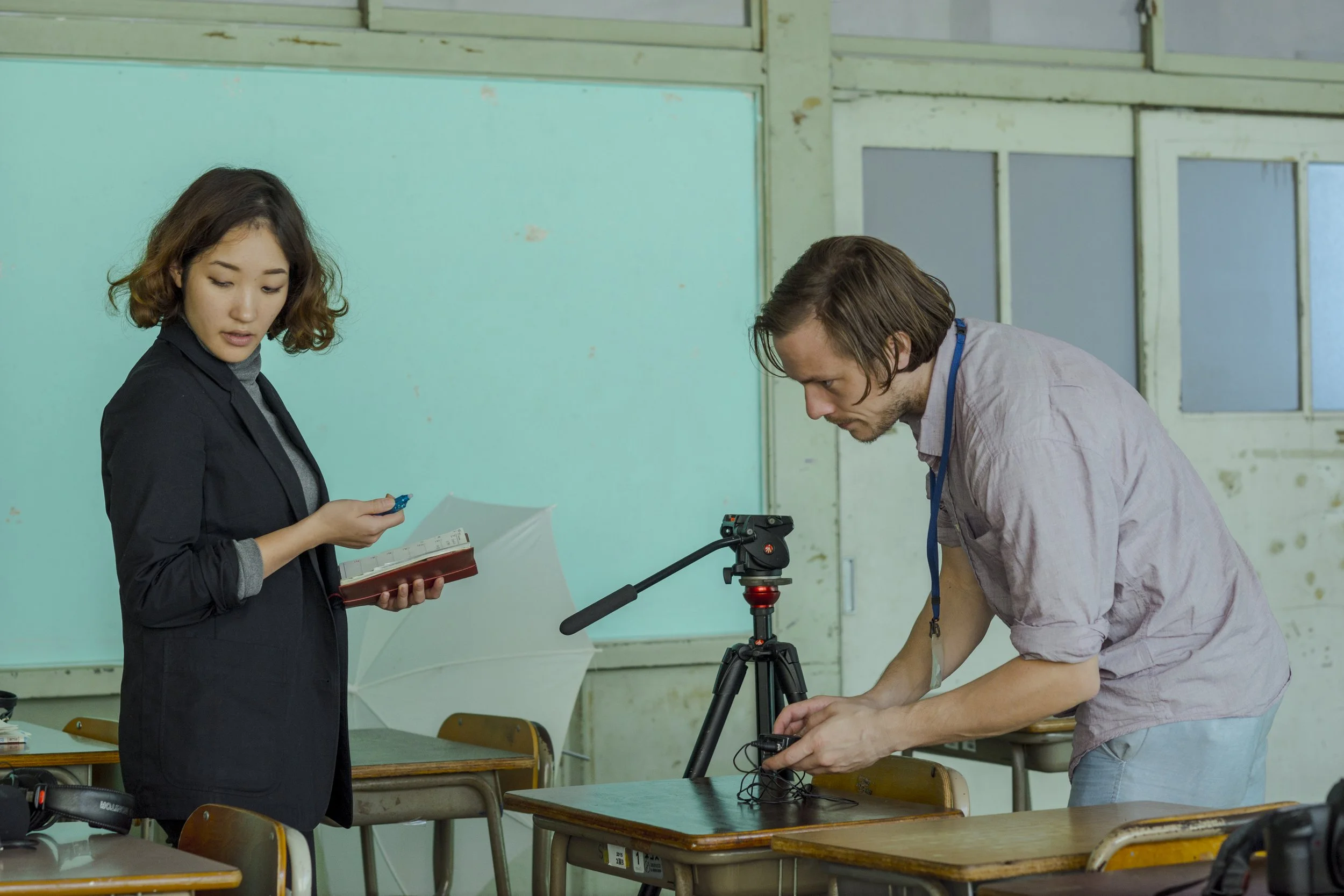
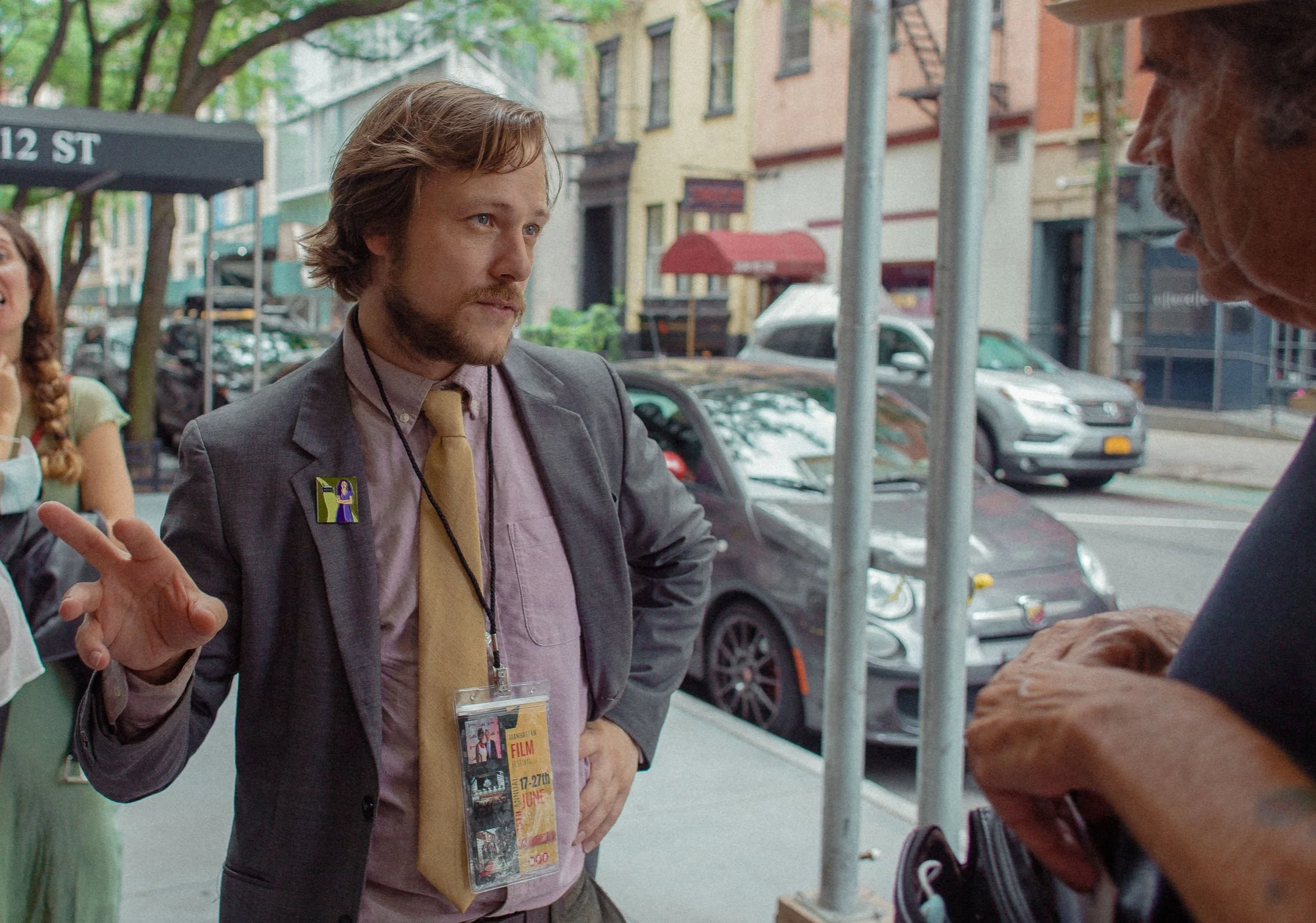
Producer Mahomi Ejiri & Justin Joseph Hall (author)
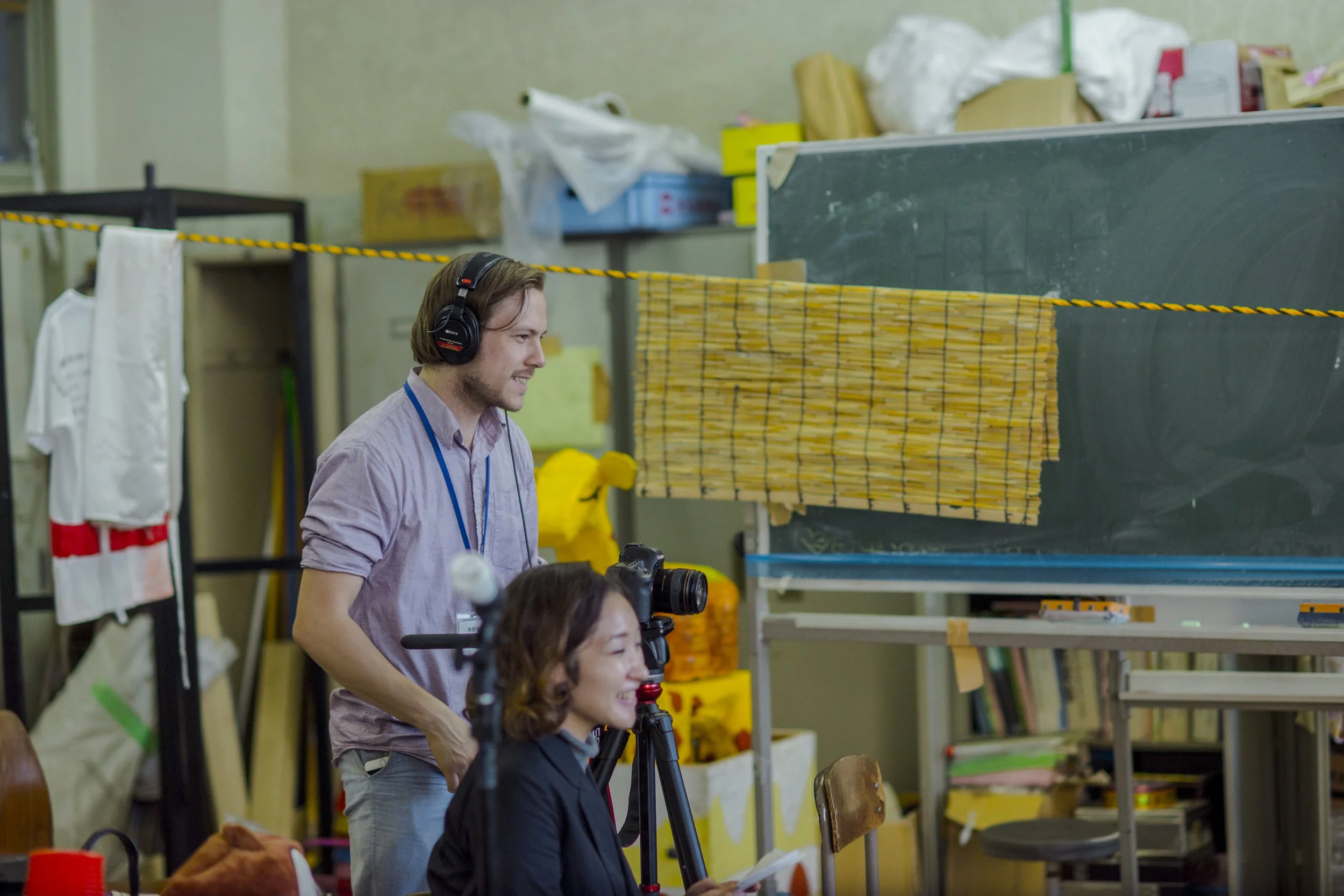
Now, that doesn't mean I didn't shoot things I didn't know about. I had never been to Japan and new very little about their education system, except it was considered one of the best national systems in the world. We could not have not gotten such great access and beautiful imagery in Frames of Reference in our Japanese school without the unique creative vision of @yoshitsugukosaka. He was not only the B-Camera operator, but also connected us to our Japanese Producer @mahomiej who got us access to Ebina High School. Mahomi got us an in at her own high school in Japan in a suburb of Tokyo, where you can clearly see Mount Fuji.
The Japanese believe very much in protecting their kids and the image projected out in the world, but with Mahomi's connection to her school we were able to spend a week in classes talking to students (and staff) about what it's like to go to school in one of the most revered national education systems in the world, and the intensity of it. The pressure placed on Japanese students is well known, as many movies have been about the high suicide rates plaguing these kids for years. We spend time with a typical suburban high school in our upcoming documentary, Frames of Reference, to hear it straight from the source.
However, what you know doesn’t mean you're confined to what you grew up around. If you want to make a documentary about something less familiar to you, that’s totally doable. You just need to do more learning and research to make yourself an expert. Or find a partner like I did in Yoshi & Mahomi who helped me get into the Japanese schools. That’s why documentary film-making is a team sport!

Hat given to wear for Justin Joseph Hall (author) by Japanese students.
So talk to people in the community that surrounds your subject. Get to know them, little by little. If possible, make time to go there in person. Or, like in my documentary, plan part of production to time to meet and great and be personable. Do as much meeting online beforehand and use the networks of the few people you do feel personally connected to. It’s about trust and building trust when getting access.
To gain that kind of access takes a lot of patience. But, by making time to show you have something that no one else has, you’re sure to get funding for your documentary in no time. Be truthful, show vulnerability, and let others want to open the doors for you.
Written by Justin Joseph Hall