
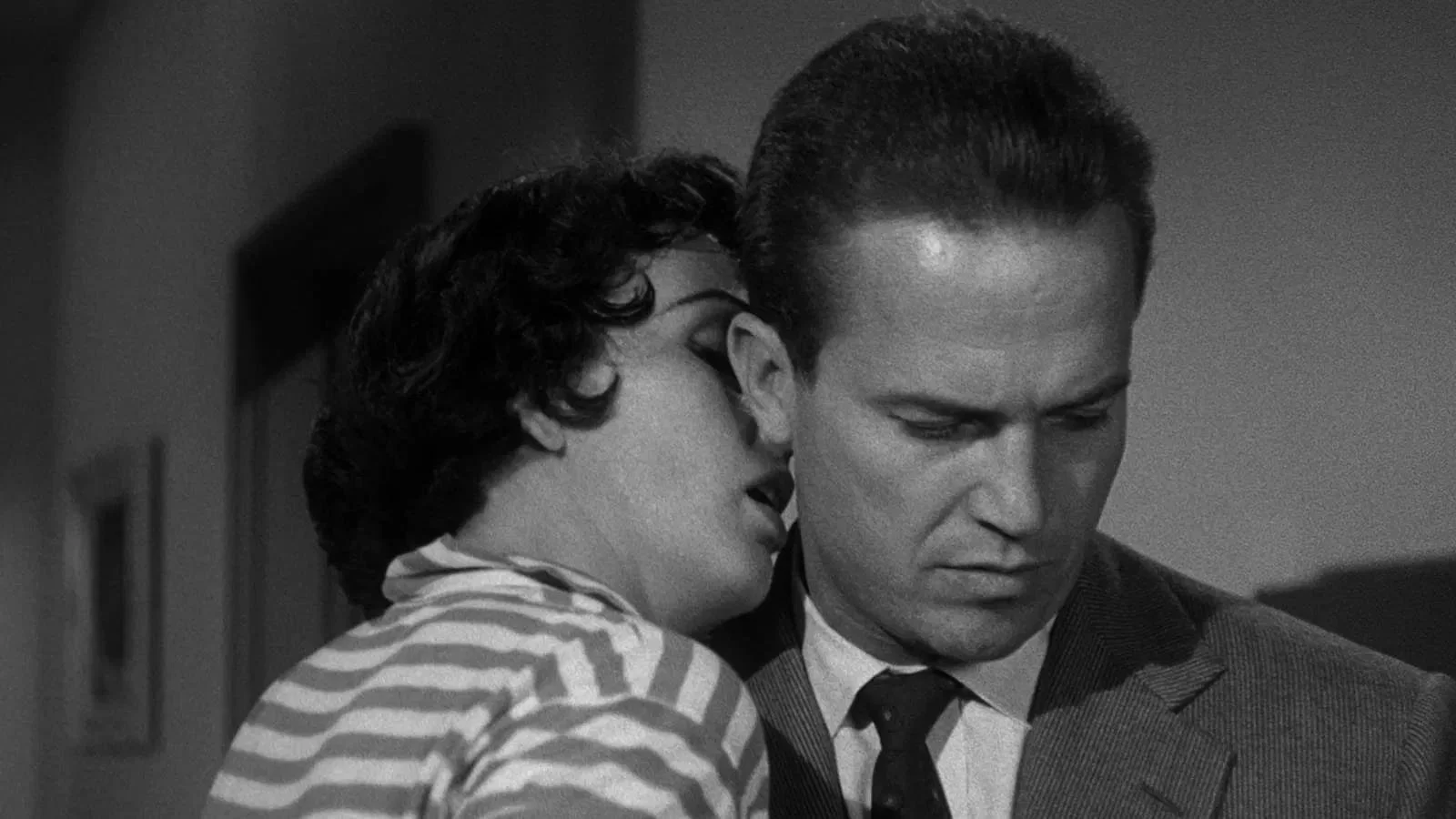
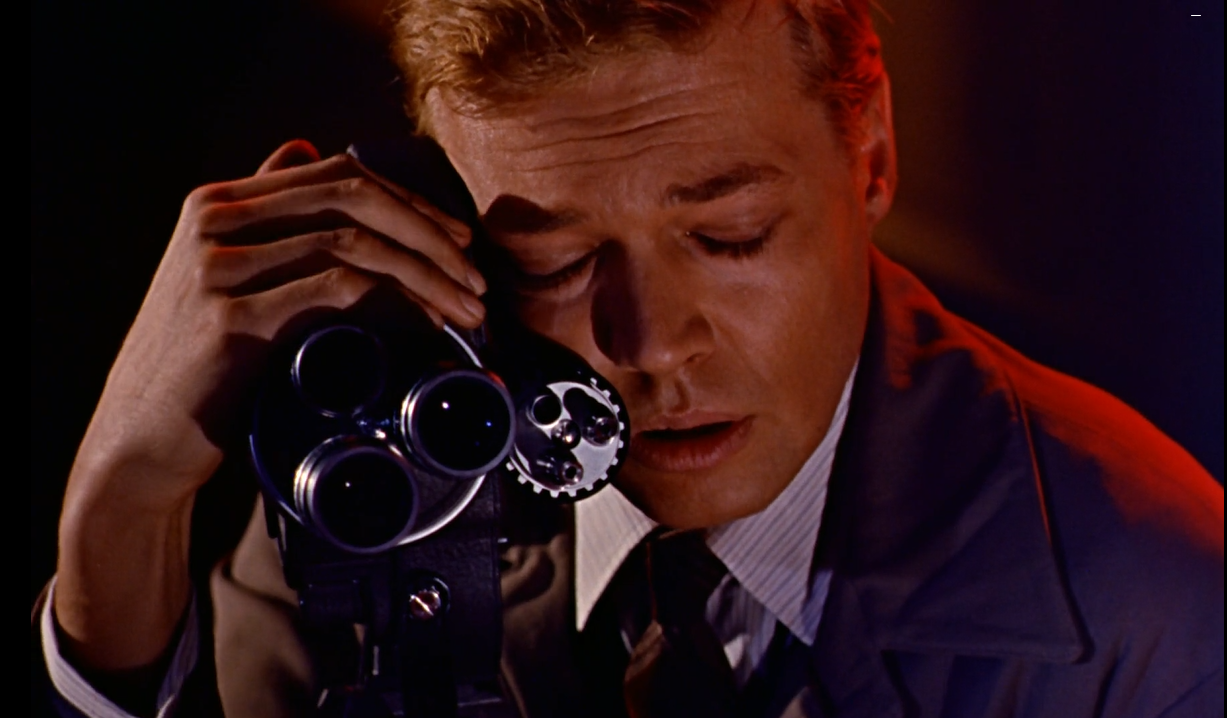
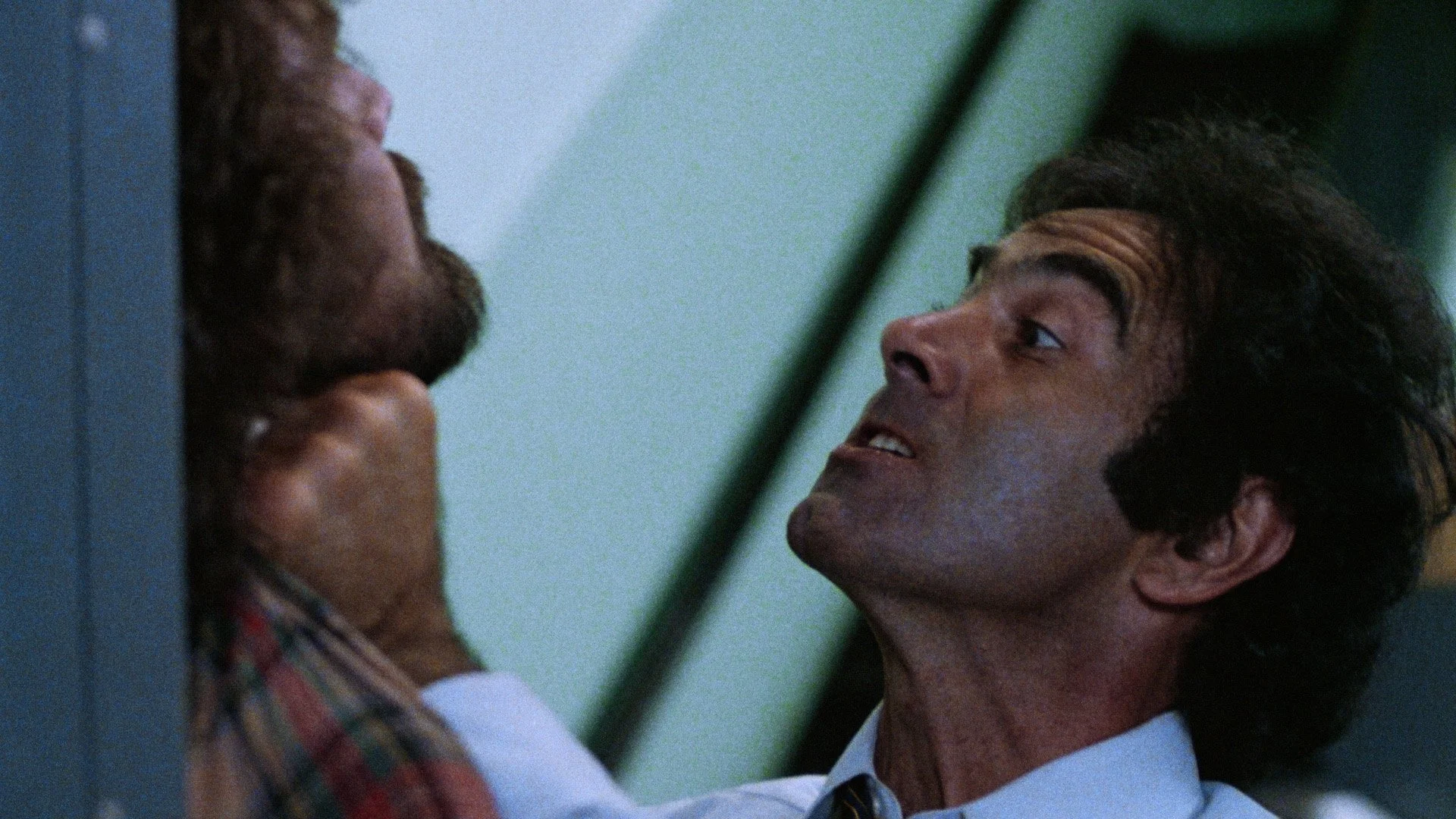





As a fan of horror, slasher films during the mid 20th-century always fascinated me. They communicate their actions the same way any modern fictional serial killer would. The suspense, the creative murder tactics, the general creep energy radiating off of whoever is the terror placed front and center. And yet, I am utterly fascinated by Peeping Tom due to its presentation in comparison to how a modern film would’ve executed the same idea. It sets a grim tone through strong use of chiaroscuro lighting (something dearly missed in the 21st century) and it is unafraid to set itself apart with the use of gel lights to add a defining surrealism that communicates to the audience that a tense and horrifying scene will play in front of you. A modern studio would not communicate horror in this aesthetic, writing it off as campy or unfitting, and yet, modern washed out grays and fixations on dull browns often choke out whatever creative light was originally there. Peeping Tom fosters that spark by taking a strong premise and adding its own flare.
Throughout the film we see how men interact with women, mainly in romantic/sexual relationships. Both are depicted in a hidden and chaste fashion, especially when it comes to the erotic. In my opinion, our slasher is then representative of what happens when repression goes so far and it claims these hideous compulsions form. Ones where we seek these thrills wherever we can, even in the most dark places. When a culture is this repressed and unwelcoming to a form of connection that’s supposed to be natural to the human experience, we then seek what has been chased underground. The deeper we go, the more it mutates into something alien to us.
When originally released, many critics saw this film as a controversial dredge unworthy of its time. Its reputation in the 1960s is riddled with hyperbolic negative reviews, censorship, and forever marred the career of Micheal Powell as a director. Looking at this film 66 years later, it feels like it had acted as a reflection inward to what a conservative culture encourages and they didn’t like what they saw.
-written by Aliana Preciado Higgins